
The greenest gift for a child is usually one that already exists
Ask how many months a gift will be picked up, not what it is cut from. Used items in good condition beat almost everything new, on both counts.
Ask what a present is made of and you get one answer; ask how many months it will actually be picked up and you get a better one. Most children's gifts fail the second question long before the first becomes interesting. A birch-ply shape sorter abandoned in March costs the world more than the battered thing still in use next Christmas.
Updated August 2026
A used thing given well beats a new thing made well
Everything you are choosing between has already been manufactured by the time you see it. The live decision is not whether that production happened but whether an object gets a second life or a first short one, and buying used answers both at once. Children's things are unusually good candidates, because they leave a household when the child changes rather than when the item fails: the scooter, the dressing-up box, the wooden animals, the ski gear worn for one week. Charity shops, community selling groups, nearly-new sales and toy libraries are full of items barely into their working life. Start there, then judge anything new by whether it will still be wanted next winter.
- Outgrown is not the same as worn out. Balance bikes, costumes, board books, jigsaws and sports kit all leave homes in good order. Those are the categories to hunt used first; anything with a hygiene question, and anything that gets consumed, is worth buying new.
- Judge completeness, not appearance. A jigsaw one piece short and a game with the dice missing are the two reliable ways a used present disappoints on the day. Count the contents against the picture on the lid before you wrap it, and buy the missing die.
- Repairability outranks the label on the box. Screws instead of glue, wheels sold separately, a stitched rather than bonded seam: these decide whether one failure ends the object. Ask what happens when a single part gives way, because one always does.
- Wrapping is the part nobody counts. Glitter paper, foil and plastic ribbon last about an hour and then go to landfill. Kraft paper, paper tape and string go in with the recycling, newspaper works, and no child under ten has ever remarked on it.
What to actually get
How long have you got?
All 6 options.
Something used, chosen as carefully as new
$5–40A scooter, a dolls' house, a costume trunk, a wooden train set, from a charity shop or a local selling group.
A few daysThe strongest option here and the one people talk themselves out of. Young children have no concept of retail newness; what registers is whether the thing works and whether somebody thought about them specifically. Clean it, replace what is missing, wrap it properly. A complete working scooter presents far better than a boxed toy needing a screwdriver and four AA cells nobody has.
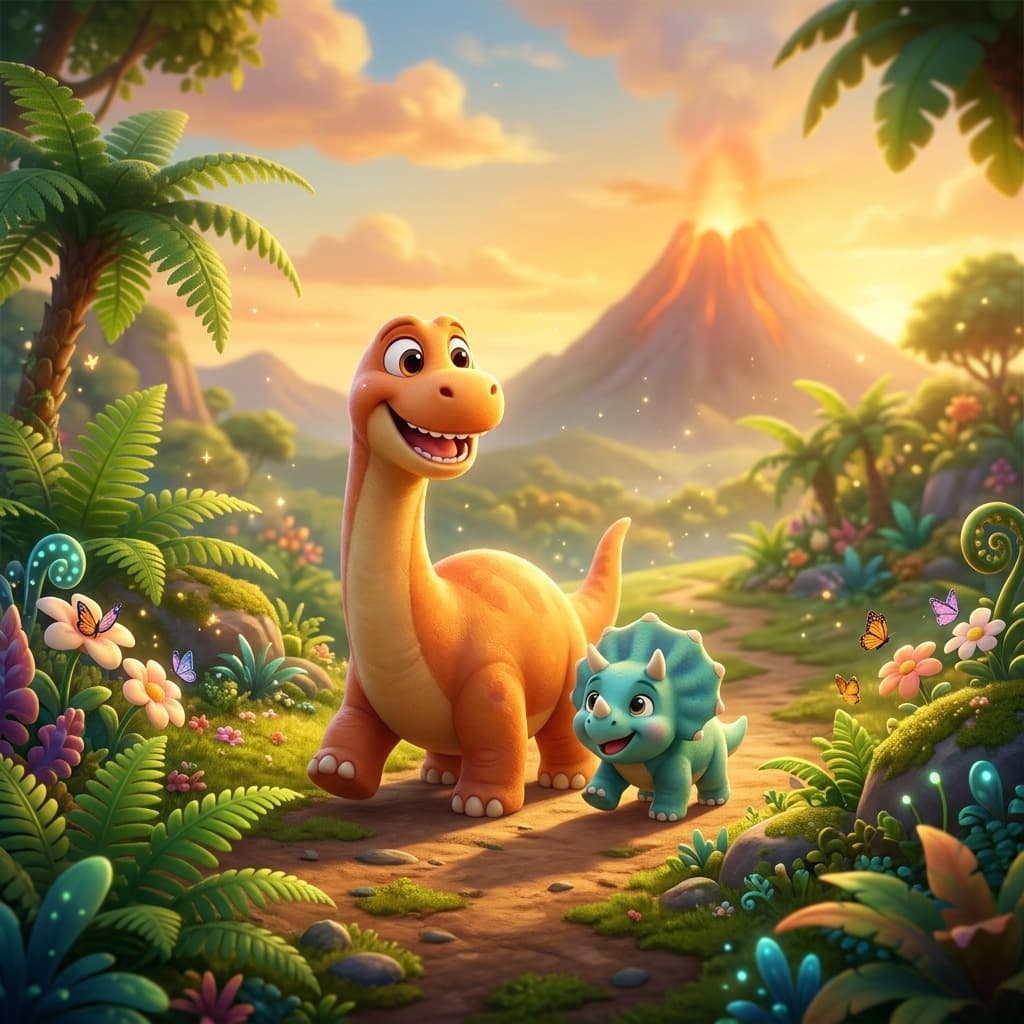
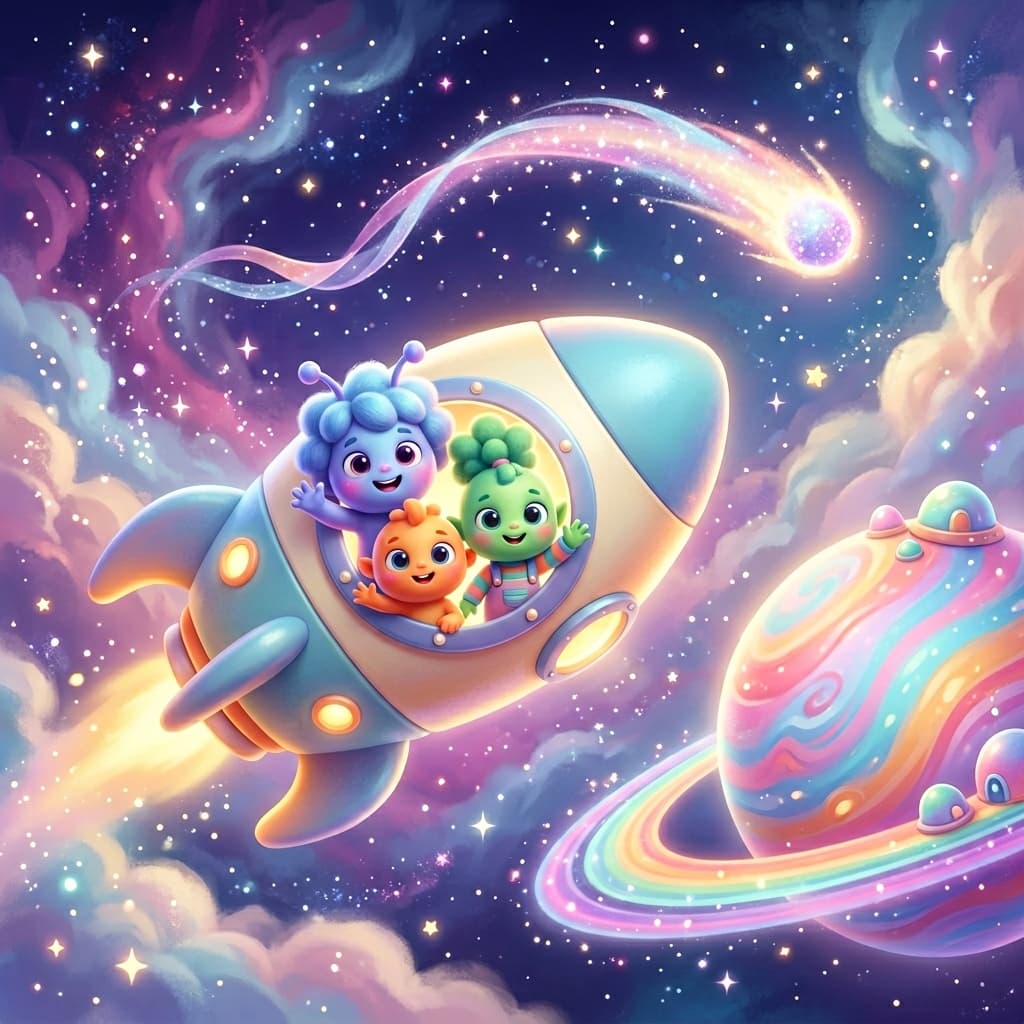
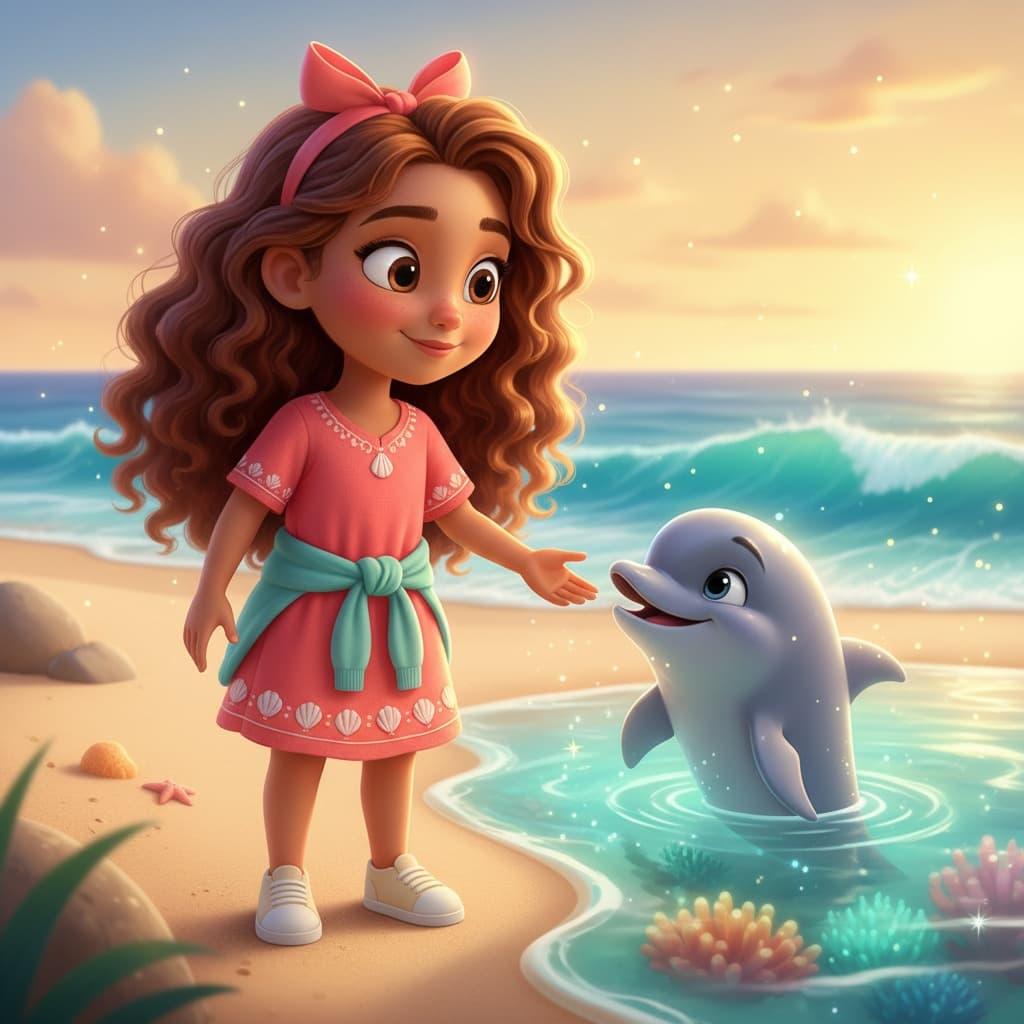
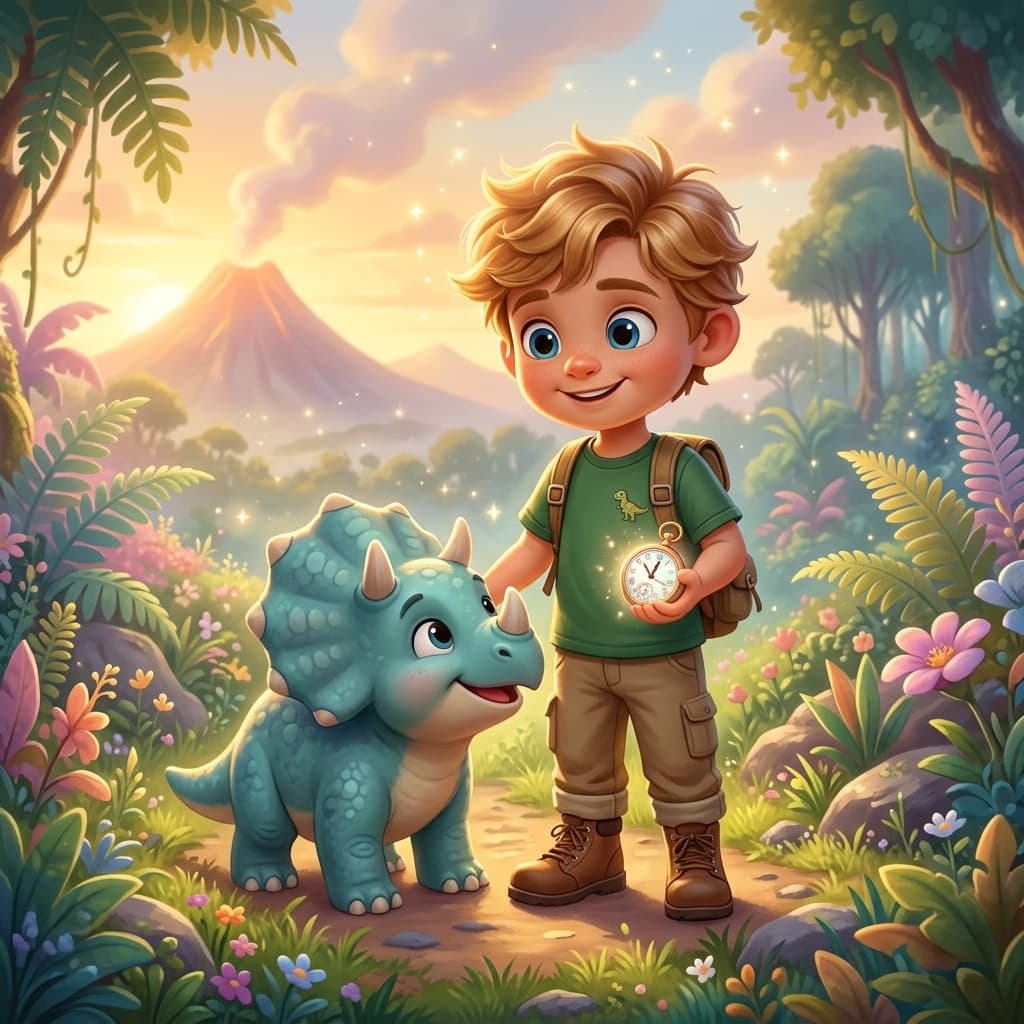
A personalized storybook, printed once
$6.99An illustrated picture book with the child as the main character, delivered as a printable PDF.
Ready tonightThe entire object is a short print run and a piece of card, and a book with the child's own name running through it is the sort of thing that tends to stay on the shelf rather than go into the bag at the next clear-out. It costs $6.99, takes a few minutes to make, and nothing is posted, so there is no parcel and no void fill.
An afternoon booked instead of an object
$15–50A pottery session, a farm visit, a lido, a night under canvas in the garden with proper cocoa.
A few daysNothing is produced, nothing needs storing, and it outlasts the object it replaced. For a child, though, an experience with nothing to unwrap can read as a blank, so print the booking, put it in a jar with something small, and give it a fixed date. A gift with a date is a plan; without one it drifts to next spring and quietly does not happen.
One well-made thing with parts you can replace
$40–120A steel scooter with spares listed, a stitched football, a rechargeable torch, a sewing machine for an older child.
A few daysThe test is not the substance it is cut from but the failure story: when the wheel splits or the seam goes, is there a replacement wheel and a needle, or is the whole thing finished? A maker who publishes a spares list is telling you what they expect. Buy one of these instead of three ordinary presents.
A tree or a plant they can reach
$15–45A young fruit tree for the garden, a windowsill lemon in a pot, or a dedication at a local planting scheme.
Needs a week or moreChildren take to this better than adults expect, provided the thing is somewhere they can get to it. A sapling in a distant scheme is an abstraction; a plum they dug the hole for is something they check on after school. Choose a species that fruits within a few seasons, and wrap a small trowel with it so there is an object to open.
A toy library card or a rental subscription
$0–20 a monthMembership of a local toy library, or a service that sends a crate of toys and takes it back again.
A few daysAs close as gifting gets to owning nothing while playing with everything. The bulky items — a ride-on, a train table, a play kitchen — are precisely what a child uses hard for two months and then walks past. Toy libraries are often run by councils, churches or nurseries for very little; check the public library first, as many now lend toys.
5 of these are nothing to do with us — we make the book, and say so where it appears.
Four eco choices that do not hold up
- Buying a new object to solve a storage problem. A bamboo crate for the bricks adds an item and no play whatsoever, and a cardboard box with the child's drawing on the front does the identical job.
- Treating a label as a verdict. "Natural" and "eco" mean little on a toy box; "recyclable" and "responsibly sourced" are policed — FTC Green Guides, EU consumer law, timber certification — yet none answers who uses this after your child has finished with it.
- Apologising for a used gift in writing. A note explaining that it is pre-loved converts a present into a disclosure. If it is clean, complete and wanted, it is a present, and the provenance is the parents' business rather than the child's.
- Choosing a battery toy as the cheap option. Sealed compartments and coin cells make an item unrepairable and awkward to pass on, and anything that cannot be opened becomes landfill the day the cell dies.

Real books, made for real children

Questions people actually ask
Yes, on two conditions: complete and clean. Young children have no sense of retail newness, and older ones mind far less than adults imagine when the item is something they actually wanted. It gets awkward in only a couple of situations — a first birthday with the in-laws watching, or a household that would read it as a comment on them. If you are unsure, buy used for the large item and new for the small one that gets opened first.
Less often than the shelves imply. What decides it is how many months the thing stays in play and where it goes afterwards, not the substance it is cut from. A painted wooden toy that splits in March is neither recyclable nor resellable. A moulded ride-on that three children use in turn and then passes to a fourth has done well by any honest reckoning. Treat wood as a hint about build quality, which it often is, rather than as the answer.
Change the inputs rather than the morning. Keep the number of parcels a child expects and change what is inside them and what they are wrapped in: used, borrowed, booked or made. Kraft paper and string photograph better than foil anyway. The rule that holds up is to leave the child's experience alone and fix the parts they never look at — the packaging, the filler, and the fifth present nobody remembers by February.
Community selling apps first, because you can inspect the item and there is no postage or packaging involved. Charity shops for books, jigsaws and dressing-up. Nearly-new sales run by parent groups for anything bulky — that is where trikes, dolls' houses and outdoor kit turn up cheaply, usually in one morning. For a specific title or a discontinued set, the large resale sites work, though the postage undoes part of the benefit.
Prices are what these typically cost, not quotes. Delivery cutoffs vary by retailer and country — always go by the date on the seller’s own page. Markdown version.